
Apple Pay Arrives in India: Tim Cook’s Parting Gift to Digital Payments
Published: 27 October 2026 · Technology and digital payments
Apple Pay is now available in India. Apple announced the launch on 30 September 2026, adding a card-based contactless payment option to the country’s already extensive digital-payment landscape. The arrival matters for Apple users, banks and retailers—but it does not mean that every Indian card or every payment terminal supports the service today.
What launched in India?
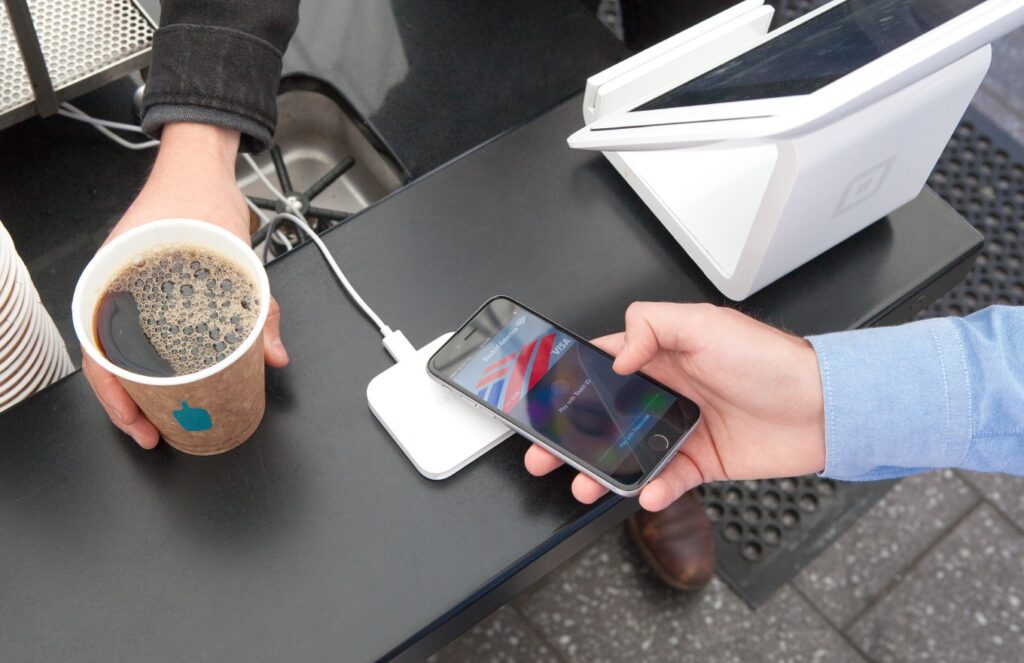
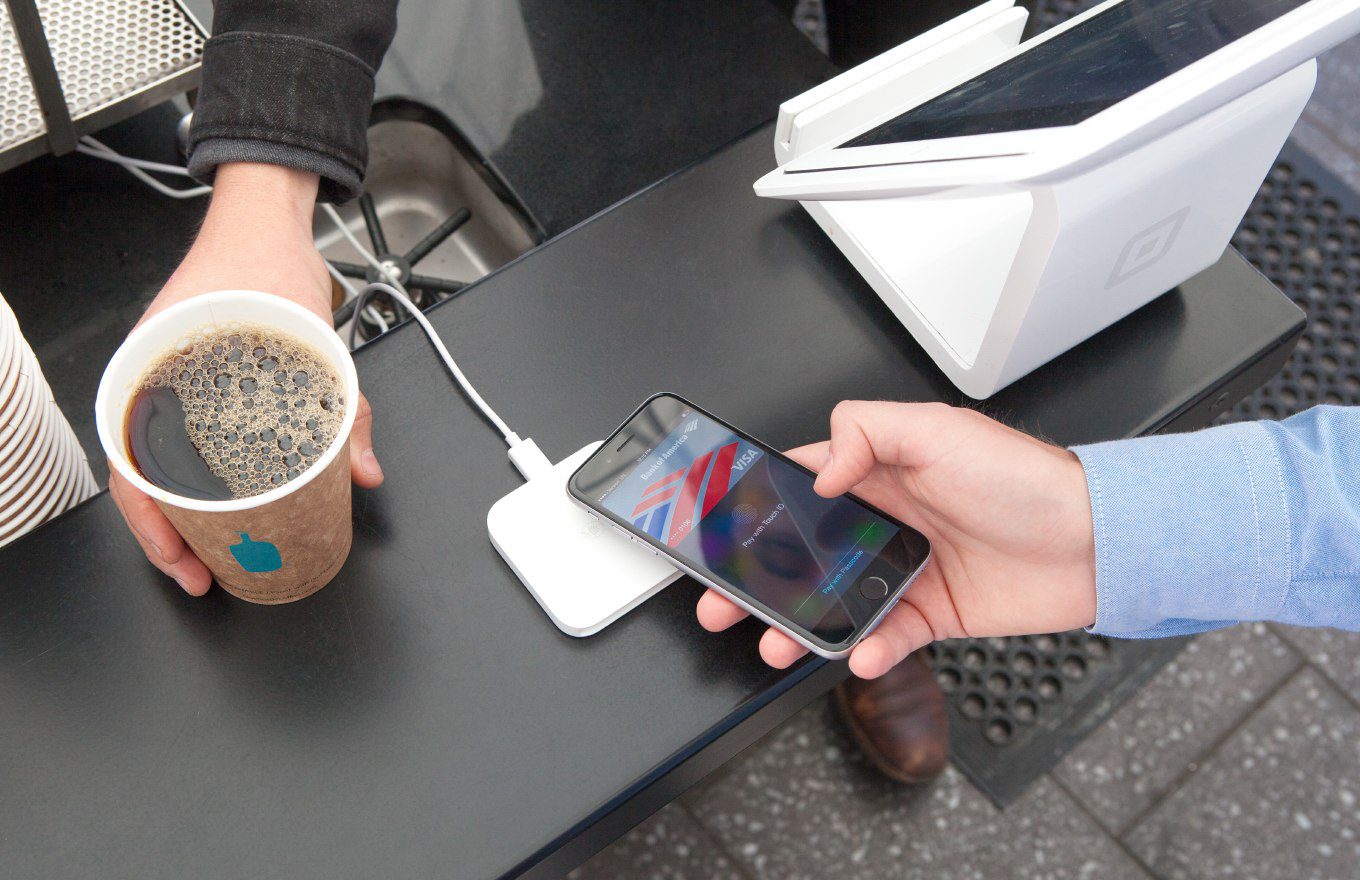
According to Apple’s official announcement, Indian users can make purchases with Apple Pay using iPhone, iPad and Apple Watch, with Mac support described as coming soon. At launch, customers with eligible Axis Bank-issued Visa and Mastercard credit cards could add those cards to Apple Pay. Apple said the service could be used at participating in-store and online merchants, including locations that accept NFC contactless transactions.
Availability depends on the device, eligible card and merchant acceptance. The announcement should not be read as support for every bank, every card network or every store across India. Users should check Apple’s current support information and their bank’s guidance before assuming their card can be added.
Why it matters in a UPI-first market
UPI has become familiar to Indian consumers for person-to-person transfers and QR-based merchant payments. Apple Pay serves a different, though overlapping, use case: it lets a supported bank card be tokenised in an Apple device and used for contactless card payments or supported online purchases. It is not a replacement for UPI transfers between bank accounts.
For shoppers, the appeal is convenience: a supported card can be used without repeatedly entering card details, and an in-store purchase can be authorised from a compatible device. Apple’s announcement also highlighted security and privacy protections built into the service. As with any wallet, however, users still need to protect their devices, use strong authentication and review the card and merchant details shown before paying.
What retailers and banks need to get right
Contactless acceptance depends on compatible payment terminals, payment-network support and the bank’s participation. Retailers may already have the required NFC hardware, but actual acceptance can vary by terminal configuration and processor. Banks need to support eligible cards and provide clear instructions for adding, removing or suspending them.
The launch could give Apple device owners another way to use their cards and encourage more attention to contactless payments. Its practical reach will depend on the breadth of supported issuers, how easy setup is, and whether merchants make NFC payments easy to recognise at checkout. It is too early to infer market share or predict that it will displace UPI.
Was it Tim Cook’s “parting gift”?
The phrase makes a memorable headline, but it is a metaphor rather than a stated explanation for the launch. Apple announced on 20 April 2026 that Tim Cook would become executive chairman and John Ternus would become CEO effective 1 September 2026. Apple’s India launch announcement came on 30 September. Those dates place the launch after the leadership transition, but they do not establish that Cook personally timed it as a farewell gesture.
It is fair to view the launch as part of Apple’s longer effort to expand services and payment support in major markets. The more useful question for users is not who receives credit, but how broad support becomes and how safely the service works in everyday situations.
The takeaway
Apple Pay has arrived, but the first phase is specific: compatible Apple devices, eligible Axis Bank-issued Visa or Mastercard credit cards and merchants that accept the required payment type. Check support before relying on it, keep UPI available for transfers and QR payments, and treat wallet security as part of basic device hygiene.
Sources and further reading: Apple, “Apple Pay launches in India,” 30 September 2026; Apple, leadership transition announcement, 20 April 2026.