
The Rare-Earth Squeeze: How Critical Minerals Are Redefining Global Power
Published: 27 October 2026 · Geopolitics, technology and supply chains
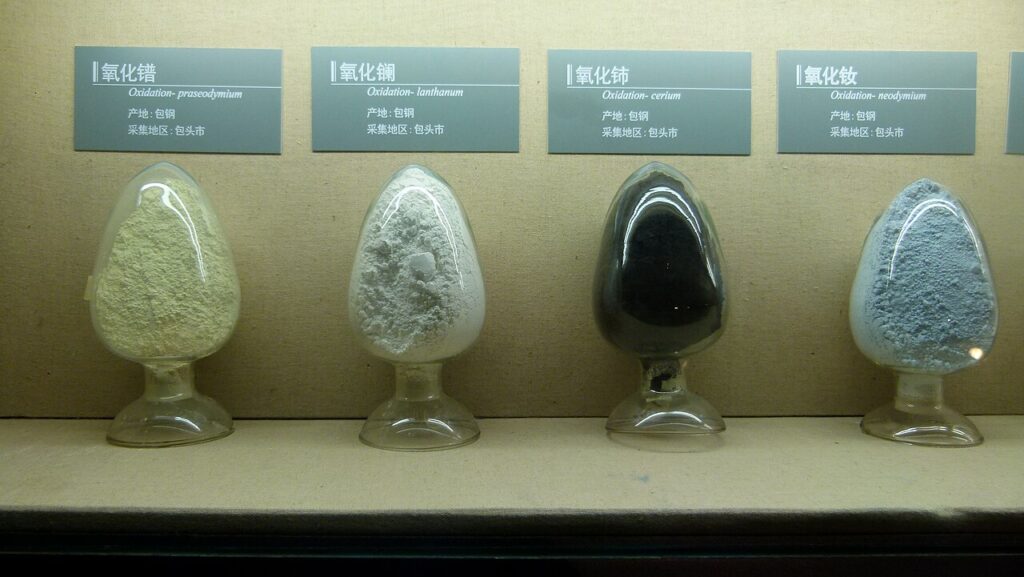
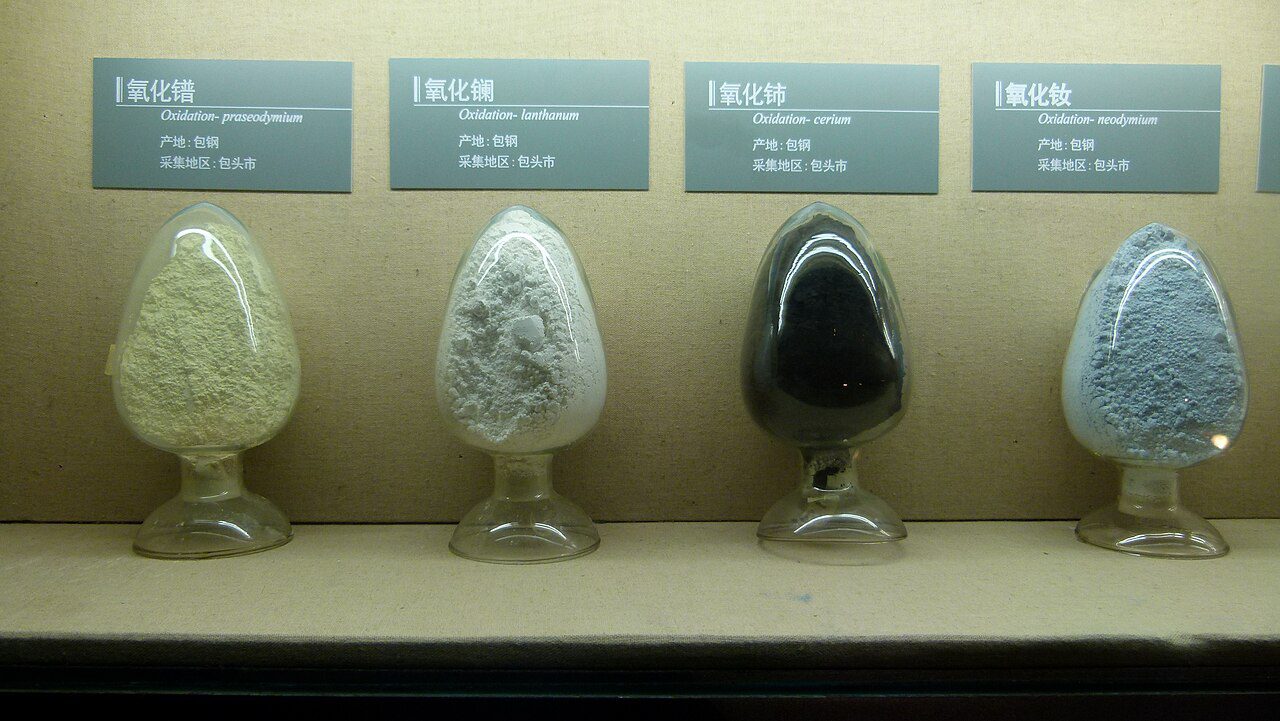
Rare earths rarely appear in a consumer’s shopping basket, yet they help make the modern economy work. These 17 metallic elements are used in powerful magnets, precision electronics and other components found in electric vehicles, wind turbines, industrial robots and defence systems. The strategic issue is not simply where the minerals lie underground. It is who can separate, refine and turn them into reliable industrial materials at scale.
Why a small group of minerals has outsized influence
Many rare-earth elements are not especially rare in the Earth’s crust. Economically viable deposits, processing expertise, environmental controls and the industrial capacity to make high-performance magnets are much harder to reproduce. That distinction matters: a country can discover a deposit and still depend on overseas processing for years.
Supply concentration can become strategic leverage when export controls, licensing delays or diplomatic disputes interrupt material flows. A research briefing from the European Parliamentary Research Service describes why rare-earth restrictions have exposed vulnerabilities across digital, clean-energy and defence supply chains.
The semiconductor link is a warning sign
On 22 October 2026, Reuters reported that Taiwan Semiconductor Manufacturing Company (TSMC) had surveyed suppliers about alternatives to rare-earth components in factory equipment, including rare-earth-free motors. The discussions were described as early-stage; the report did not say that manufacturers had already replaced these components at scale.
The story illustrates how minerals connect distant industries. Motors and precision equipment depend on components that may be sourced through a small number of specialised suppliers. A disruption can therefore affect production schedules for semiconductors, smartphones, artificial-intelligence infrastructure and defence equipment, even when a factory is far from a mine.
How countries are trying to reduce exposure
- Diversify supply. Governments and companies are backing mining, refining and magnet production in more locations, but new projects require finance, permits, skilled workers and infrastructure.
- Design around shortages. Engineers are testing alternative materials, motor designs and lower-rare-earth formulations. Substitution is technically difficult in some high-performance applications and cannot be assumed to work everywhere.
- Recycle more. Recovering material from used electronics, motors and industrial equipment can add supply, although collection and separation systems need investment.
- Build resilience. Strategic inventories and long-term contracts can buy time during a disruption, but they do not remove dependence on processing capacity.
The trade-offs behind the race
Mining and refining can consume energy and water, create waste and affect local communities. A supply chain that is less exposed to geopolitical pressure is not automatically cleaner or fairer. Public policy must weigh dependable supply against environmental standards, local consent and the cost of new infrastructure.
For businesses, the lesson is to map dependencies beyond the first supplier: identify the origin of processed materials, understand lead times and test alternatives before a crisis. For governments, the challenge is to turn strategic announcements into commercially viable capacity.
What to watch next
Watch whether supplier surveys become actual engineering changes, whether new processing capacity reaches commercial scale, and how export licensing evolves. The rare-earth squeeze is not a simple story of one country holding all the cards. It is a reminder that industrial power rests on networks of mines, chemical plants, specialist manufacturers and trusted trading relationships.
Sources and further reading: Reuters, 22 October 2026; European Parliamentary Research Service, rare-earth export controls.